


-

Add: HeBei ShengShi HongBang Cellulose Technology CO.,LTD.
-

Email
13180486930@163.com -

CONTACT US
+86 13180486930

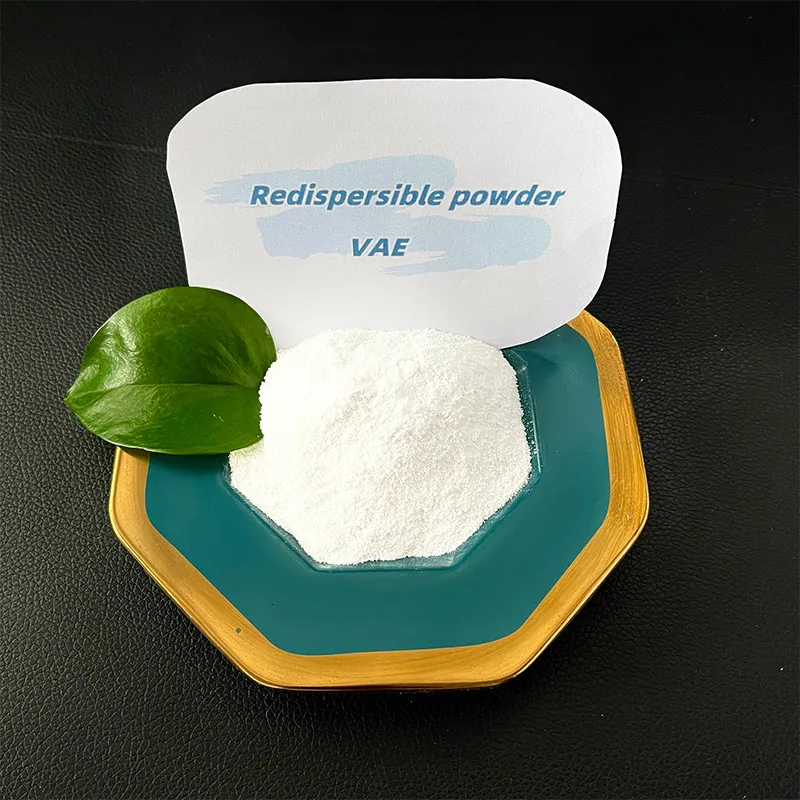
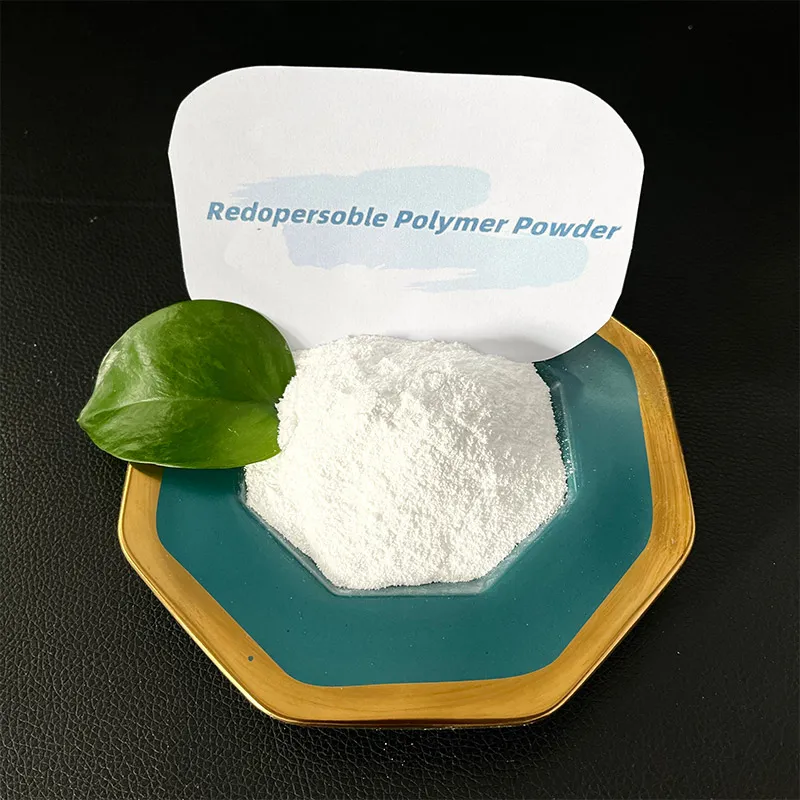


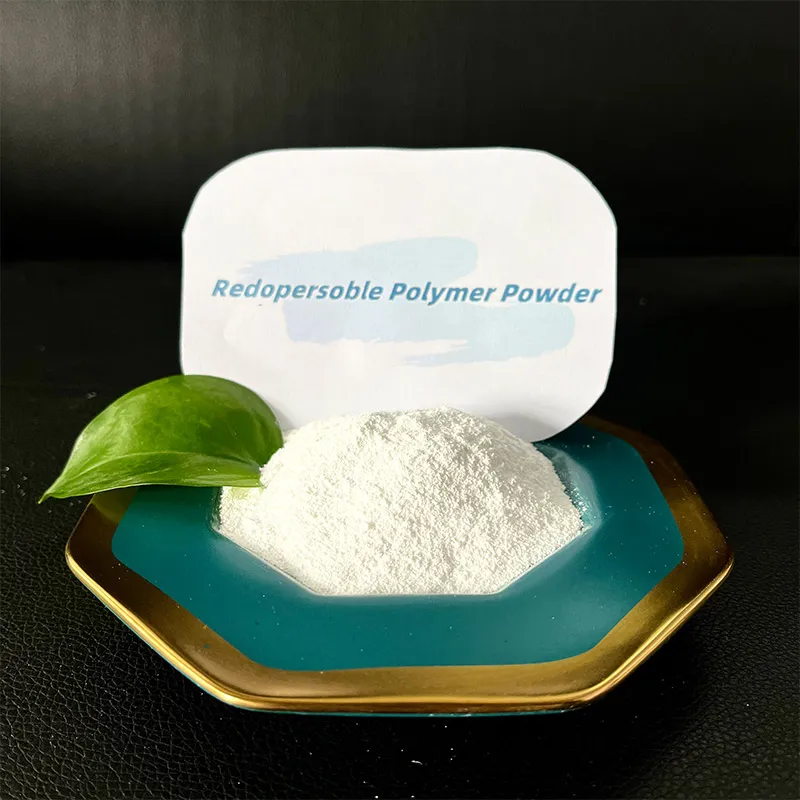
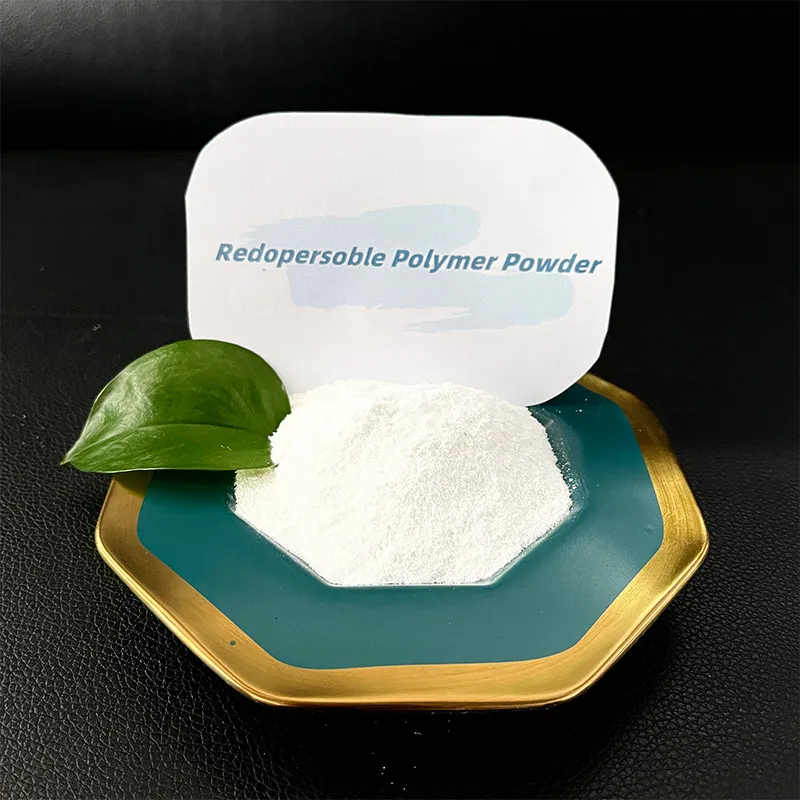
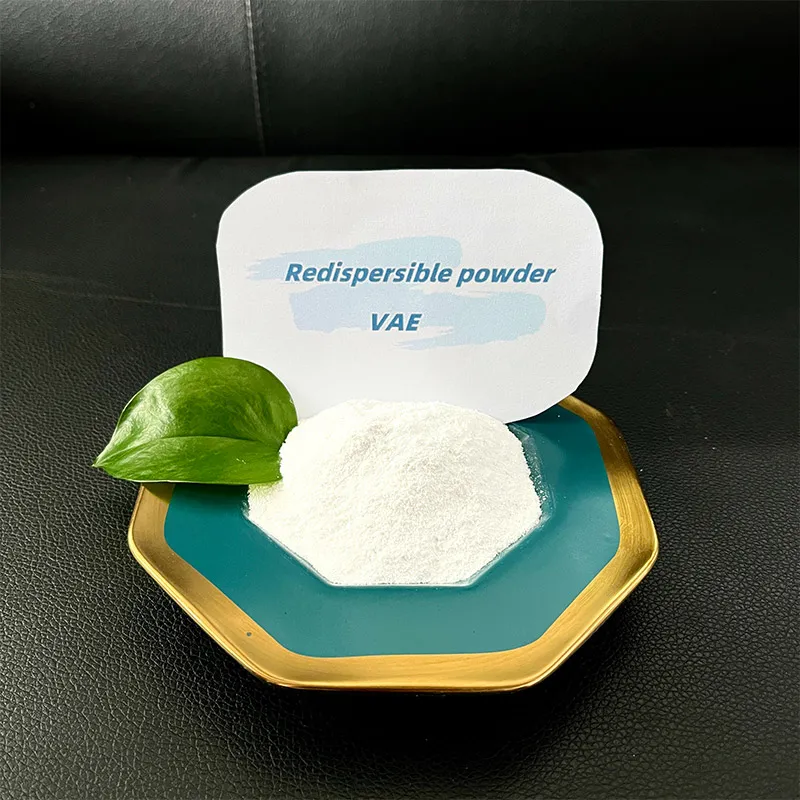
redispersible emulsion powder,redispersible latex powder,polymer powder,vae redispersible powder,redispersible powder is a key solution in the chemical industry industry, specifically within fine chemicals and Building Chemicals. This article explores how HeBei ShengShi HongBang Cellulose Technology CO.,LTD. supports professionals with durable, high-performance products, and explains why this product is an ideal choice for businesses in these sectors. Table of Contents redispersible emulsion powder,redispersible latex powder,polymer powder,vae redispersible powder,redispersible powder Overview Benefits & Use Cases of redispersible emulsion powder,redispersible latex powder,polymer powder,vae redispersible powder,redispersible powder in Building Chemicals Cost, Maintenance & User Experience Sustainability & Market Trends in chemical industry Conclusion on redispersible emulsion powder,redispersible latex powder,polymer powder,vae redispersible powder,redispersible powder from HeBei ShengShi HongBang Cellulose Technology CO.,LTD. redispersible emulsion powder,redispersible latex powder,polymer powder,vae redispersible powder,redispersible powder Overview Redispersible emulsion powder (often VAE redispersible powder) is a free-flowing polymer powder produced by spray-drying a waterborne emulsion and stabilizing it with a protective colloid. Upon contact with water, the redispersible latex powder forms a stable polymer dispersion that acts as a binder, improving adhesion, flexibility, and durability in cement- and gypsum-based systems. Typical building-chemicals grades are based on vinyl acetate–ethylene (VAE), with protective colloids such as PVA to ensure excellent redispersibility, workability, and storage stability. For formulators, this polymer powder enables targeted performance tuning—such as lowering minimum film formation temperature, enhancing tensile adhesion, improving deformability, and boosting abrasion resistance. Representative specifications include controlled particle size distribution, consistent bulk density, and optimized glass transition temperature (Tg) to balance flexibility and strength; specific values vary by grade and application and are provided on technical data sheets. HeBei ShengShi HongBang Cellulose Technology CO.,LTD. manufactures reliable VAE redispersible powder with tight quality control, multiple grades tailored to tile adhesives, skim coats, self-leveling underlayments, EIFS/ETICS systems, repair mortars, and waterproofing mortars—supporting consistent results from lab to large-scale production. Benefits & Use Cases of redispersible emulsion powder,redispersible latex powder,polymer powder,vae redispersible powder,redispersible powder in Building Chemicals In Building Chemicals, redispersible emulsion powder delivers measurable gains across many formulations. In tile adhesives, it improves wet and dry adhesion to challenging substrates, increases open time, and helps achieve slip resistance—facilitating upgrades from basic to higher performance classes. In EIFS/ETICS, VAE redispersible powder enhances flexibility and impact resistance of basecoats, helping systems tolerate thermal cycling. For skim coats and wall putties, polymer powder optimizes workability, reduces cracking, and improves surface quality. In self-leveling compounds, it strengthens cohesion, reduces dusting, and improves abrasion resistance without sacrificing flow. Cementitious waterproofing mortars benefit from reduced water permeability and improved crack-bridging. Key advantages versus alternatives include easy handling and dosing, excellent compatibility with cellulose ethers (such as HPMC), robust redispersibility, and proven performance in cement/gypsum matrices. HeBei ShengShi HongBang Cellulose Technology CO.,LTD. combines polymer know-how with application expertise, providing formulation guidance, rapid sampling, and consistent supply. Whether you need a flexible redispersible powder for deformable tile adhesives or a higher-Tg grade for abrasion resistance, our portfolio and technical service help B2B decision makers speed time-to-market and secure repeatable, specification-compliant outcomes. Cost, Maintenance & User Experience Total cost of ownership matters in competitive building chemicals markets. While unit cost of redispersible latex powder is higher than mineral fillers, the ROI comes from enhanced performance (better adhesion, crack resistance, cohesion), fewer jobsite callbacks, and upgraded product classifications that command price premiums. Improved workability and consistency also reduce production waste and simplify quality control. Many customers report smoother scale-up due to stable redispersibility and low dusting options that improve plant hygiene and dosing accuracy. From a maintenance perspective, polymer powder requires standard good practices: store sealed in a cool, dry area away from moisture; use on a first-in, first-out basis; and protect from caking. In finished products, the durability of VAE redispersible powder translates to longer service life for mortars and coatings, supporting life-cycle value. HeBei ShengShi HongBang Cellulose Technology CO.,LTD. offers grade selection support to optimize dosage—often in the 1–5% range depending on system—balancing performance and cost, and providing dependable logistics so your production schedules remain on track. Sustainability & Market Trends in chemical industry Sustainability is reshaping the chemical industry—especially in Building Chemicals, where low-VOC formulations, resource efficiency, and circularity are rising priorities. Redispersible powder helps by shipping the polymer “dry,” minimizing transport of water and reducing associated emissions. In many formulations, VAE-based polymer powder supports low-VOC targets and can help manufacturers design for compliance with evolving regional regulations. The shift toward energy-efficient buildings, renovation of aging infrastructure, and growth of EIFS/ETICS for thermal insulation are expanding the market for high-performance polymer binders. HeBei ShengShi HongBang Cellulose Technology CO.,LTD. invests in responsible production, quality systems, and continuous improvement to deliver consistent, high-performing redispersible emulsion powder solutions. By aligning portfolio development with standards and emerging regulatory expectations, and by supporting customers with clear documentation and technical data, we help B2B partners reduce risk, build greener products, and capture growth in premium segments. Our forward-looking approach ensures that both performance and sustainability requirements are met without compromise. Conclusion on redispersible emulsion powder,redispersible latex powder,polymer powder,vae redispersible powder,redispersible powder from HeBei ShengShi HongBang Cellulose Technology CO.,LTD. From tile adhesives and EIFS to self-leveling and waterproofing mortars, redispersible emulsion powder empowers Building Chemicals producers to achieve reliable adhesion, flexibility, and durability. HeBei ShengShi HongBang Cellulose Technology CO.,LTD. supplies high-quality VAE redispersible powder backed by application expertise and dependable service—helping B2B decision makers optimize performance, cost, and sustainability. Contact us: email: 13180486930@163.com Visit our website: https://www.sshbhpmc.com
- 40000tons

Production
- 20+years

Experience
- 5000+㎡

Acreage

-
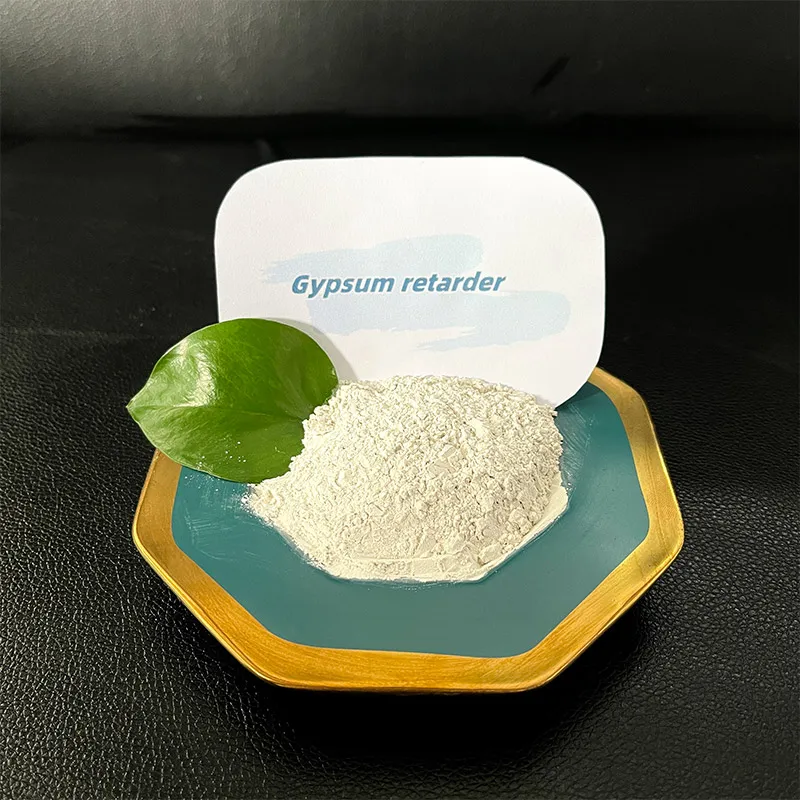
Understanding Cellulose in Wood Cellulose is a vital organic polymer that plays a crucial role in the structural integrity of plants, particularly in wood. Found in the cell walls of plants, cellulose is the most abundant organic polymer on Earth, serving as a fundamental building block for plant structure and growth. This article explores the attributes of cellulose in wood, its function, and its significance in various applications. What is Cellulose? Cellulose is a polysaccharide composed of long chains of glucose units linked together by β-1,4-glycosidic bonds. This arrangement forms a rigid, linear structure that contributes to the tensile strength of plant cell walls. Cellulose molecules aggregate to form microfibrils, which bundle together to create fibers that provide support and rigidity to the plant. In wood, the cellulose content is a significant factor in determining the mechanical properties and durability of the timber. Role of Cellulose in Wood Structure In woody plants, cellulose works in concert with other polysaccharides, such as hemicellulose and lignin, to create a robust and resilient structure. Hemicellulose, which consists of shorter chains and various sugar monomers, acts as a filler that binds with cellulose fibers, while lignin provides additional strength and resistance to decay. The combination of these components contributes to the overall strength, flexibility, and resistance to environmental factors that wooden structures exhibit. Wood's cellulose content typically ranges between 40% to 50%, depending on the species and age of the tree. This high cellulose concentration is responsible for the characteristic properties of wood, including its ability to withstand tension and compression forces, making it an excellent building material. The Importance of Cellulose in Various Industries what is cellulose in wood Beyond its structural role in wood, cellulose has significant implications in various industries. In the paper and pulp industry, cellulose is extracted from wood using chemical processes to manufacture paper products. The purity and integrity of cellulose are critical for producing high-quality paper, which is used in everything from books to packaging materials. In addition, cellulose has garnered attention in sustainable practices and renewable resources. Biofuels made from cellulose, such as cellulosic ethanol, have emerged as an alternative to fossil fuels. These biofuels are derived from non-food plant materials, providing a sustainable energy source that can help reduce greenhouse gas emissions and reliance on non-renewable resources. Furthermore, cellulose is utilized in the textile industry to produce materials like rayon and lyocell. These fabrics, derived from processed cellulose, are known for their softness and absorbency, making them popular choices for clothing and home textiles. Research and Development in Cellulose Applications Ongoing research is focused on enhancing the efficiency of cellulose extraction processes and exploring new applications. Advances in biotechnology may lead to more sustainable methods of sourcing and processing cellulose, ultimately supporting a transition to greener practices across multiple sectors. Additionally, nanocellulose, a derivative of cellulose produced at the nanoscale, shows promise in various applications, including composites, coatings, and even biomedical materials. Its lightweight yet strong properties make it attractive for innovative uses that could transform industries ranging from packaging to electronics. Conclusion Cellulose in wood is a prime example of nature's ingenuity. Its robust structure not only supports the plant but also provides a plethora of opportunities for human applications. As we continue to explore its potential through research and innovation, cellulose remains at the forefront of sustainable development, bridging the gap between ecological responsibility and industrial advancement. Understanding the role of cellulose in wood is crucial for harnessing its benefits in a world increasingly focused on sustainability and renewable resources.
-
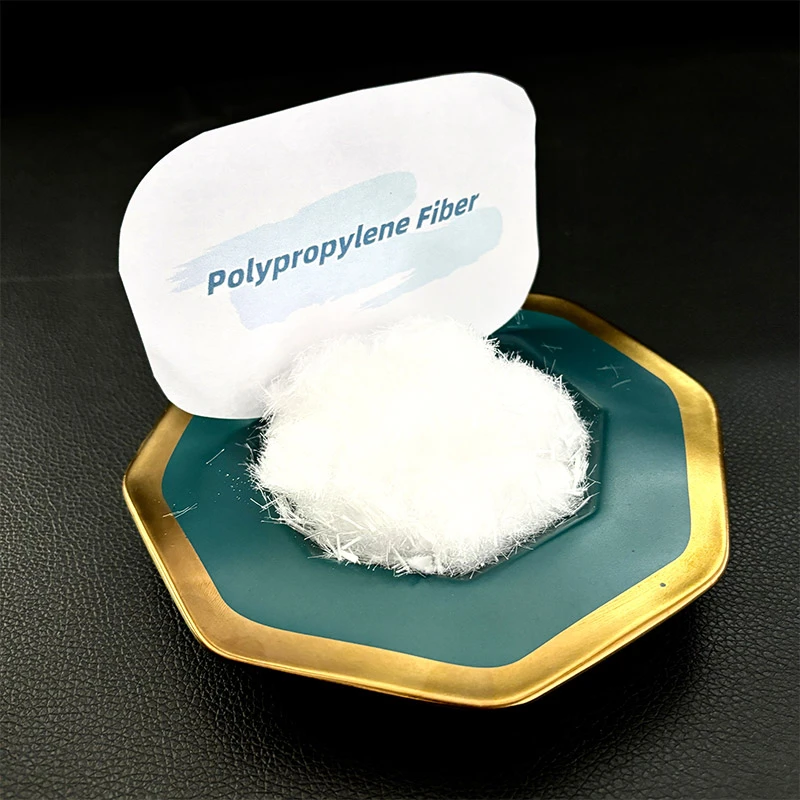
Hydroxypropyl Methylcellulose (HPMC) has been transforming the construction industry with its versatile and potent properties. As a non-ionic cellulose ether, HPMC is renowned for its ability to improve the consistency, workability, and mechanical properties of construction materials. Drawing from consistent field applications, HPMC has demonstrated profound advantages in various construction processes. Notably, its water retention capacity is crucial for cement-based materials like mortar and concrete. By improving water retention, HPMC prevents premature drying, ensuring adequate hydration of cement particles and resulting in stronger, more durable finishes. This singular property enhances the workability of mortars, allowing builders to achieve smoother applications and finishes. In construction products such as tile adhesives, HPMC provides a remarkable enhancement to bond strength. It aids in maintaining a uniform distribution of adhesive, crucial for the precision required in tile installations. Its ability to control viscosity ensures that the adhesive remains at optimal thickness, which is integral for bonding effectiveness. From a professional standpoint, the versatility of HPMC allows for its inclusion in an array of products beyond adhesives, such as self-leveling underlayments and plasters. In self-leveling compounds, HPMC's modification capabilities ensure that the compound flows effortlessly, crucial for creating level substrates in flooring systems. Such functionality not only reduces time and effort required on site but also minimizes errors and material wastage. hpmc for construction Research and development within the chemical domain underpin the authority of HPMC in construction applications . Products enhanced with HPMC are subjected to rigorous testing and quality assurance processes, guaranteeing performance consistency. These evaluations are backed by industry standards and certifications, reinforcing HPMC's credibility and effectiveness in construction products. The trustworthiness of HPMC as a construction additive is evident in the widespread reliance by professionals across the globe. Its non-toxic and biodegradable nature adds an additional layer of trust for environmentally-conscious projects. Construction experts and material scientists highlight the compound's adaptability to different environmental conditions, ensuring resilience and longevity in a variety of climates. HPMC's integration into eco-friendly and sustainable building practices further anchors its reputation. With global construction trends moving towards sustainable solutions, HPMC serves as an ally in achieving certifications like LEED by enhancing energy efficiency and resource conservation in construction processes. In summary, HPMC's influence in the construction industry epitomizes the blend of experience, expertise, authoritativeness, and trustworthiness. Its multifaceted properties not only improve construction material performance but also align with sustainable practices, making it indispensable in modern construction solutions. As technology advances and the industry evolves, HPMC’s role is anticipated to expand, inspiring innovation and ensuring quality across construction endeavors.
advantages
-

200000 Viscosities
Excellent product
We can produce pure products up to 200,000 viscosities
-

40000 tons
High yield
We don’t stop production all year round, and the annual output can reach 40,000 tons
-

24 hours
Quality service
We provide 24-hours online reception service, welcome to consult at any time
———— Inquiry Form
Schedule A services
-
 matumizi_ya_hydroxypropyl_methylcellulose
Oct . 25, 2025
The Impact of Polypropylene Fiber on Concrete Concrete is a widely used construction material, essen -
 hpmc_china
Oct . 25, 2025
Tylose HPMC, commonly known as Hydroxypropyl Methylcellulose, is a multifunctional ingredient that c -
 hpmc_e5_solubility
Oct . 25, 2025
Hydroxypropyl methylcellulose (HPMC) has rapidly gained prominence in various industries due to its


